
 Bryon Tipton
Preparing your pet for surgery can be a challenging task, especially when it comes to providing emotional support. Understanding their behavior, creating a calm environment pet hospital, and maintaining routines are crucial.
Offering affection and reassurance can alleviate their anxiety. Effective communication with your veterinarian is key.
This article provides essential tips on how to emotionally support your pet before surgery, ensuring a smoother experience for both you and your furry companion.

Understanding Your Pet’s Behavior
Before surgery, it is crucial to understand your pet’s behavior in order to provide appropriate emotional support. Pets, like humans, may exhibit signs of anxiety, fear, or stress when faced with the prospect of surgery. Recognizing these behavioral cues can help you tailor your approach to meet your pet’s emotional needs pet medical centre.
Common indicators of distress include changes in appetite, excessive vocalization, restlessness, or withdrawal. Understanding your pet’s usual demeanor and how they typically respond to stressful situations will enable you to offer the necessary comfort and reassurance.
Creating a Calm Environment
To facilitate emotional support for your pet before surgery, establish a tranquil setting conducive to relaxation and comfort. Create a quiet space free from loud noises and distractions. Consider playing soft, soothing music or using calming pheromone diffusers to help your pet feel at ease. Ensure the temperature is comfortable, and provide cozy bedding for them to rest on.
Keep the lighting soft and gentle, avoiding harsh bright lights. Maintain a peaceful atmosphere by speaking in a calm and reassuring tone. By setting up a serene environment, you can help reduce your pet’s stress and anxiety levels before their surgery, promoting a sense of security and well-being.
Maintaining Routines and Familiarity
How can you ensure continuity and comfort for your pet’s emotional well-being before surgery through maintaining routines and familiarity?
Pets thrive on consistency, so sticking to their daily schedule can provide a sense of stability during a stressful time. Ensure regular feeding times, walks, play sessions, and bedtime rituals remain unchanged.
Familiarity is key to easing anxiety, so keep their favorite toys, blankets, and bedding close by. Spending quality time together in familiar spaces can help reassure your pet and strengthen your bond.
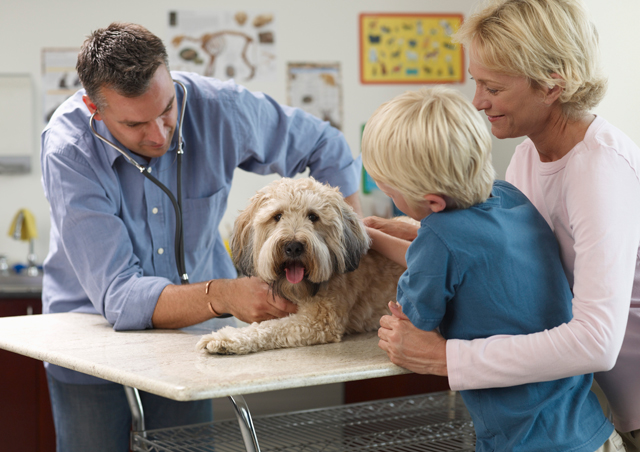
Offering Affection and Reassurance
One effective way to provide emotional support to your pet before surgery is by demonstrating consistent affection and reassurance. Pets, like humans, can feel anxious and stressed about medical procedures, making it crucial to offer them comfort during this time.
Spend quality time with your pet, petting them gently, speaking in soothing tones, and providing physical touch if they enjoy it. Reassure them with words of encouragement and love to help alleviate their fears. Your presence and affection can go a long way in calming their nerves and helping them feel safe and loved.
Communicating With Your Veterinarian
Continuing the process of emotionally supporting your pet before surgery involves communicating effectively with your veterinarian to ensure a comprehensive understanding of the procedure and any necessary pre-surgery preparations. It is essential to establish open and clear lines of communication with your veterinarian.
Make sure to ask any questions or express any concerns you may have regarding your pet’s surgery. Discuss the details of the procedure, including the expected outcomes, potential risks, and post-operative care instructions. Your veterinarian can provide valuable insights and guidance to help you feel more informed and confident about the upcoming surgery.
Conclusion
In conclusion, providing emotional support to your pet before surgery is crucial for their well-being. By understanding their behavior, creating a calm environment, maintaining routines, offering affection and reassurance, and communicating with your veterinarian, you can help alleviate their anxiety and stress.
Your pet’s emotional well-being is just as important as their physical health, and your support can make a significant difference in their recovery process.